
Sudoku: Discover the Ultimate Number Puzzle
Hauptsitz
United States 10001 New York, NY, USA Turkmenistan
Über uns
What Is Sudoku?
Sudoku is a popular number puzzle game that challenges logical thinking, concentration, and problem-solving skills. Although the game uses numbers, it does not require advanced mathematics. Instead, players must analyze patterns, identify possibilities, and place the correct digits in the appropriate positions. The simple rules and increasingly difficult challenges make Sudoku an enjoyable activity for beginners and experienced puzzle enthusiasts.
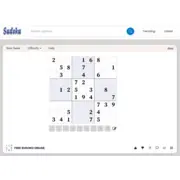
The classic Sudoku puzzle features a 9x9 grid divided into nine smaller 3x3 boxes. Some cells already contain numbers, while others remain empty. The main objective is to complete the grid by placing digits from 1 to 9 in every row, column, and 3x3 box without repeating any digit within the same group.
Sudoku is available in newspapers, puzzle books, websites, and mobile applications. Players can enjoy a quick challenge during a break or spend more time solving difficult puzzles. Its combination of simple rules and deep logical challenges has helped Sudoku become one of the most recognizable puzzle games worldwide.
How to Play Sudoku
Learning how to play Sudoku is straightforward because the game follows a few essential rules. However, completing a puzzle requires patience, careful observation, and logical reasoning.
Understand the Sudoku Grid
A standard Sudoku board contains 81 cells arranged in nine rows and nine columns. These cells form nine individual 3x3 boxes. Each row, column, and box must contain every digit from 1 to 9 exactly once.
Before entering a number, players should examine the surrounding cells. If a digit already appears in the same row, column, or box, that digit cannot be placed in the selected cell. Following this rule helps eliminate incorrect possibilities and gradually reveals the correct solution.
Fill Empty Cells With Logic
The best way to begin a Sudoku puzzle is to look for rows, columns, or boxes that already contain many numbers. These areas often have fewer empty cells, making them easier to complete.
For example, if a row contains the digits 1, 2, 3, 4, 6, 7, 8, and 9, the missing digit must be 5. This is a simple example of how logical elimination can reveal the correct answer without guessing.
As the grid becomes more complete, additional numbers become easier to identify. Every correctly placed digit provides useful information for solving nearby cells.
Best Strategies to Solve Sudoku Faster
Sudoku becomes more enjoyable when players understand effective solving techniques. Rather than filling cells randomly, successful players use systematic methods to reduce uncertainty and avoid mistakes.
Start With Easy Numbers
Beginners should search for rows, columns, and boxes with only one or two empty cells. These areas provide straightforward opportunities to place missing digits.
Another useful technique is to scan the entire grid for a particular number. If a 3x3 box already contains several digits, checking the corresponding rows and columns may reveal the only possible location for a missing number.
Starting with easy placements creates a strong foundation for the rest of the puzzle. It also helps new players understand how different sections of the grid interact.
Use Pencil Marks for Difficult Puzzles
Pencil marks are small notes that record possible digits for an empty cell. They are particularly helpful when several numbers could initially fit in the same position.
For example, an empty cell might allow only 2, 5, or 8 based on the existing numbers. Recording these candidates makes it easier to compare possibilities across nearby cells.
When another cell receives a confirmed number, some candidates can be eliminated. Repeating this process gradually reduces the number of possibilities and helps uncover more answers.
Recognize Single Candidates and Hidden Singles
A single candidate occurs when only one digit can legally occupy a particular cell. This is one of the most reliable techniques for solving Sudoku.
A hidden single occurs when a digit can appear in only one cell within a particular row, column, or box, even though that cell may contain several other candidates. Recognizing these situations allows players to make progress without relying on trial and error.
With regular practice, these patterns become easier to identify, helping players solve puzzles more efficiently.
Different Difficulty Levels in Sudoku
Sudoku offers multiple difficulty levels, making the game suitable for different experience levels and solving preferences.
Easy Sudoku for Beginners
Easy Sudoku puzzles usually provide many starting numbers and contain several straightforward placements. These puzzles help beginners learn the rules, practice scanning techniques, and build confidence.
Players can focus on understanding the grid without needing advanced strategies. Easy puzzles are also suitable for short gaming sessions when time is limited.
Medium Sudoku for Regular Players
Medium Sudoku introduces more complicated patterns and fewer obvious answers. Players may need to use pencil marks, compare candidates, and revisit previously examined sections.
This difficulty level provides a useful balance between accessibility and challenge. It encourages players to develop stronger logical reasoning while maintaining an enjoyable solving experience.
Hard Sudoku for Experienced Players
Hard Sudoku puzzles often require advanced elimination techniques and careful analysis. Some grids contain very few obvious placements, so players must examine relationships between candidates across multiple rows, columns, and boxes.
These challenges reward patience and structured thinking. Instead of rushing toward a solution, experienced players carefully evaluate each possibility and make progress through logical deductions.
Benefits of Playing Sudoku
Sudoku provides more than entertainment. Regular puzzle solving can encourage useful mental habits and create opportunities for relaxation.
Improve Concentration and Logical Thinking
Completing a Sudoku puzzle requires sustained attention to numbers, patterns, and possible placements. Players must remember relevant information while evaluating different sections of the grid.
This activity encourages focused thinking and systematic problem-solving. Although Sudoku cannot guarantee improvements in general intelligence or prevent cognitive decline, it offers an engaging way to practice logical reasoning.
Develop Patience and Accuracy
Sudoku rewards careful decisions rather than impulsive guesses. A single incorrect placement can create difficulties later in the puzzle, making accuracy an important part of the experience.
Players learn to check their assumptions, review possible answers, and correct mistakes when necessary. These habits can make puzzle solving more rewarding and encourage a thoughtful approach to challenges.
Enjoy Relaxing Entertainment
Many people enjoy Sudoku because it provides a break from busy routines and digital distractions. Focusing on a manageable puzzle can create a satisfying sense of progress.
Players can choose an easy grid for a short break or attempt a difficult challenge when they have more time. This flexibility makes Sudoku suitable for different schedules and personal preferences.
Common Sudoku Mistakes to Avoid
Even experienced players can make mistakes when solving Sudoku. Understanding common problems can help improve accuracy and reduce unnecessary frustration.
One frequent mistake is entering a number without checking all three relevant groups. Every placement must follow the rules for its row, column, and 3x3 box. Checking all three areas before confirming a digit helps prevent errors.
Another mistake is relying on guesses too early. Guessing may occasionally produce progress, but it can also create confusion when several later placements depend on an incorrect assumption. Players should prioritize logical elimination and use candidate notes whenever necessary.
Ignoring pencil marks can also make difficult puzzles harder to manage. Updating candidates after each confirmed placement helps maintain a clear view of the remaining possibilities.
Finally, rushing through a puzzle can cause players to overlook simple solutions. Taking a moment to review the grid often reveals an answer that was missed during the first scan.
Why Sudoku Remains Popular
Sudoku continues to attract players because it combines accessible rules with almost unlimited opportunities for logical challenges. Each puzzle presents a different arrangement of numbers, requiring players to examine the grid carefully and adapt their strategies.
Online Sudoku makes the experience even more convenient. Players can access puzzles through browsers, choose different difficulty levels, and enjoy the game without carrying a physical puzzle book. Many digital versions also include notes, error checking, timers, and progress tracking.
Whether played on paper or a screen, Sudoku offers a rewarding activity for people who enjoy numbers, patterns, and thoughtful challenges. Its flexible difficulty levels make it easy to begin while providing enough complexity to keep experienced players interested.
Conclusion
Sudoku is a timeless number puzzle that combines simple rules with meaningful logical challenges. By learning the grid structure, practicing elimination techniques, and avoiding common mistakes, players can steadily improve their solving skills.
From easy beginner puzzles to demanding expert grids, Sudoku provides engaging entertainment for a wide range of players. Start with a comfortable difficulty level, focus on logical deductions, and gradually explore more advanced strategies. With consistent practice, every completed puzzle can become a satisfying achievement and an enjoyable opportunity to challenge the mind.